

Neuroscience Coaching Body Training, Transform Through Movement
Neuroscience Coaching Body Training:
How the Body Thinks Before the Mind
 Your body isn’t a follower – it’s a living brain in motion.
In neuroscience coaching body training, the idea that “the body follows the mind” is outdated.
Modern neuroscience reveals the opposite: your body sends more information to your brain than your brain sends to it. This flips how coaching and transformation work.
The body doesn’t just react. It perceives, predicts, and instructs.
Learning to read those signals is the missing skill behind faster, bigger, and longer-lasting change.
“Growth doesn’t happen in your head; it happens in your nervous system.”
2. Body Awareness / Micro-Movement Science
When you train movement awareness, you’re actually rewiring neural maps.
Every small shift in posture or breath adjusts the sensory feedback loop between muscles and the brainstem.
Through neuroscience coaching body training, micro-movements refine the body’s predictive model, the brain’s ongoing attempt to anticipate what’s next.
That’s why subtle adjustments often create instant relief or clarity.
“Movement done with awareness lasts longer than effort done in haste.”
3. Calm Energy and Emotional Steadiness
Your nervous system reads the world through sensations, not words.
When those sensations are chaotic, emotions follow suit.
Grounded, slow breathing rebalances vagal tone, the body’s inner dial for calm and alertness.
Coaches who teach clients to regulate through the body, not just analyse with the mind, activate deeper emotional steadiness.
In that calm state, decisions become cleaner and more congruent.
4. Posture + Balance Reset
Every posture tells a story.
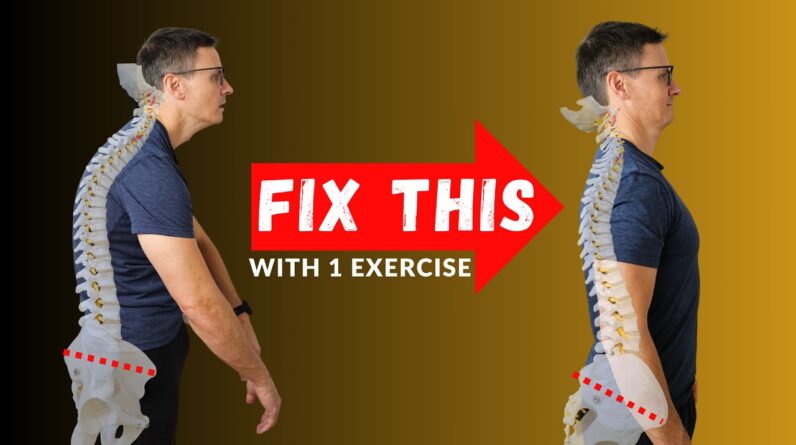
Collapsed shoulders signal the brain to prepare for defeat.
Open alignment signals readiness and trust.
Neuroscience coaching body training uses balance and stance work to update old narratives stored in the body’s memory.
Each reset communicates, “I’m safe now, it’s okay to move differently.”
“Gentleness is not weakness; it’s precision with less waste.”
5. Habit Building / Daily Rhythm
Neural change happens through repetition, not revelation.
Integrating one mindful pause or posture check several times a day creates more rewiring than a single deep session.
By embedding physical awareness into daily routines, you’re not just managing behaviour; you’re upgrading the body’s predictive intelligence.
6. Lifestyle Integration + Call-to-Action
Embodied learning is not about intensity; it’s about consistency.
When the body becomes a conscious partner, coaching transforms from talk into transformation.
Try this: before your next session or decision, pause and feel your body’s stance.
Notice what it already knows.
“The body doesn’t wait for permission to learn.”
If this resonated, explore our upcoming Neuroscience Coaching Body Training workshop for deeper integration.
Neuroscience Coaching Body Training: Cortisol Isn’t the Enemy – It’s a Compass
Stress isn’t a signal to stop – it’s a message to interpret.
In neuroscience coaching, body training, and stress often get a bad reputation.
But cortisol, the body’s main stress hormone, isn’t the villain it’s made out to be. It’s a communication tool between your nervous system and your potential.
When cortisol rises, your brain is preparing to adapt, not collapse. The goal isn’t to eliminate stress, but to learn how to read it.
“What feels like stress is often your next level knocking.”
2. Body Awareness / Micro-Movement Science
Your body registers stress milliseconds before your conscious mind catches on.
In neuroscience coaching body training, movement is used to tune that awareness.
When clients learn to track tension, pulse, or breath shifts, they start seeing cortisol spikes as early data, not danger.
Micro-movements, like small shoulder rolls or breath-led stretches, recalibrate the autonomic response.
“Stress is feedback, not failure.”
3. Calm Energy and Emotional Steadiness
Cortisol and calm can coexist.
Through somatic grounding, steady breathing, expanded posture, and gentle focus, you train the parasympathetic system to stay active even when cortisol levels rise.
This creates coherence: the balance between readiness and relaxation.
Clients who master this become resilient under pressure instead of reactive to it.
4. Posture + Balance Reset
Physical stance determines chemical flow.
Hunched posture signals threat; open posture signals readiness.
Coaches who guide subtle alignment changes are literally shifting hormonal ratios.
In neuroscience coaching body training, standing tall with awareness doesn’t just feel confident; it instructs the endocrine system to recalibrate.
That’s biology, not metaphor.
“Confidence is chemistry expressed through posture.”
5. Habit Building / Daily Rhythm
Cortisol peaks naturally in the morning. Aligning daily rhythm with that curve makes the body’s stress cycle work for you.
Morning movement, sunlight, and hydration anchor your circadian rhythm, allowing smoother hormonal balance through the day.
Instead of fighting stress, you sync with it, using it as a compass to track growth zones, not avoidance zones.
6. Lifestyle Integration + Call-to-Action
The next time tension rises, pause. Don’t suppress it.
Ask: What adaptation is my system preparing for?
By reframing cortisol as guidance, you turn discomfort into direction.
That’s the essence of neuroscience coaching body training, decoding the body’s chemistry as language.
“Cortisol is not chaos, it’s communication.”
Join our next Stress-to-Signal Training and learn how to translate the body’s cues into clarity.
Neuroscience Coaching Body Training:
Embodiment as Neural Reprogramming
Your body isn’t learning from the mind – it’s teaching it.
In neuroscience coaching body training, embodiment isn’t a buzzword; it’s the method the nervous system uses to rewrite memory.
When movement becomes intentional, the body stops running old scripts and begins coding new ones.
Behaviour change doesn’t start with thought. It starts when muscle and mind align on truth through repetition and awareness.
“Change begins when the body believes, not when the mind agrees.”
2. Body Awareness / Micro-Movement Science
Each deliberate movement activates the motor cortex and basal ganglia, forming new procedural memory.
In neuroscience coaching body training, those micro-movements become the building blocks of reprogramming.
Tiny corrections in stance or breath create measurable shifts in neural firing patterns.
This is why practice grounded in awareness changes the brain faster than cognitive repetition alone.
“Repetition without awareness reinforces habit; awareness turns repetition into rewiring.”
3. Calm Energy and Emotional Steadiness
Embodiment regulates emotion by routing signals through slower, steadier neural pathways.
When clients move with attention, they stimulate the parasympathetic system, promoting clarity and presence.
Coaches who integrate movement with coaching dialogue allow insight to anchor somatically.
That’s how emotional steadiness becomes a trained skill, not a temporary mood.
4. Posture + Balance Reset
Old postural patterns mirror old beliefs.
Tight chest, collapsed core, signals of protection or shutdown.
Through neuroscience coaching body training, and resetting posture, it re-educates both the musculoskeletal and neural systems.
Every balanced stance tells the nervous system a new story: “I am supported.”
The shift feels physical because it is physical.
“Posture isn’t presentation, it’s programming.”
5. Habit Building / Daily Rhythm
Sustained change happens when awareness becomes a rhythm.
Embedding mindful movement into simple routines, such as walking, stretching, and breathing, keeps neural updates active.
Five minutes of embodied attention several times a day can outpace an hour of unconscious activity.
The nervous system favours frequency over intensity.
6. Lifestyle Integration + Call-to-Action
Transformation isn’t mental gymnastics, it’s physical literacy.
When body and brain start communicating clearly, habits dissolve and self-trust grows.
Try this: pause, scan your body, and move one part with full awareness.
That small act begins neural reprogramming in real time.
“The body is the classroom where the brain learns trust.”
Explore our next Embodied Reprogramming Workshop and train the nervous system to align thought, emotion, and movement.
Neuroscience Coaching Body Training: Safety Is the Hidden Accelerator
Real progress happens when the nervous system feels safe enough to change.
In neuroscience coaching body training, safety isn’t softness; it’s the switch that turns neuroplasticity on.
The ventral vagal system, our internal safety network, governs trust, focus, and learning. When it’s active, the brain rewires faster.
Many push transformation through pressure. But under threat, the nervous system limits growth to survive. Safety removes that brake.
“Courage isn’t the absence of fear, it’s the presence of safety.”
2. Body Awareness / Micro-Movement Science
Micro-signals reveal safety long before words do.
In neuroscience coaching body training, the tilt of a head, the rhythm of breath, or the looseness of the jaw tells you more than talk ever will.
Coaches trained to notice these shifts can intervene precisely, grounding clients back into ventral vagal states through breath, gaze, or gentle motion.
“Safety isn’t declared; it’s detected.”
3. Calm Energy and Emotional Steadiness
A calm body invites an open mind.
When the nervous system feels secure, cortisol and adrenaline normalise, and executive function returns.
This allows clients to stay emotionally steady while exploring hard truths. The work deepens, not because it’s forced, but because it’s supported.
Link: coaching techniques for nervous system regulation
Link: Health stress and learning research
4. Posture + Balance Reset
Posture communicates safety or threat instantly.
Tense shoulders and shallow breath say “danger.” Relaxed alignment says, “I’m safe.”
Through neuroscience coaching body training, and restoring balance in stance tells the brain to exit defence mode. Once safety returns, exploration resumes.
“The body listens for safety before the mind can focus.”
5. Habit Building / Daily Rhythm
Safety grows with repetition.
Regular grounding rituals, steady breath, slower transitions, calm starts and stops, condition the nervous system to associate consistency with trust.
That reliability creates room for growth. Clients who make safety a daily practice adapt faster, recover quicker, and sustain change longer.
6. Lifestyle Integration + Call-to-Action
Safety isn’t the absence of risk; it’s the platform that lets risk become learning.
When you teach body safety first, transformation follows naturally.
Try this: before starting any coaching session, exhale fully, feel your feet, and notice your surroundings. Let your body register “safe.”
“Safety is the soil where change can root.”
Join our Neuroscience Coaching Body Training Program to learn how to build safety as the foundation for every breakthrough.
Neuroscience Coaching Body Training:
The Coaching Voice as Neurological Tuning Fork
Your tone shapes the client’s nervous system before your words ever land.
In neuroscience coaching body training, the voice isn’t just communication; it’s co-regulation.
The vagus nerve listens to vocal tone, rhythm, and pace. A grounded voice signals safety; a sharp or rushed tone triggers defence.
Coaches who understand this aren’t only speaking, they’re tuning another person’s physiology.
Every word vibrates through the nervous system before the meaning is understood.
“Transformation often starts not with what you say, but how your nervous system says it.”
2. Body Awareness / Micro-Movement Science
Voice is movement.
Tiny muscle shifts in the diaphragm, jaw, and larynx send signals to the autonomic nervous system.
In neuroscience coaching and body training, learning to notice your own micro-tensions before speaking recalibrates the tone that clients feel.
A single conscious breath can soften vocal edges, inviting connection instead of resistance.
“Presence begins one breath before sound.”
3. Calm Energy and Emotional Steadiness
A calm voice regulates both parties.
When your tone drops into a steady rhythm, the client’s heartbeat and breath subtly follow — a phenomenon called “physiological entrainment.”
This is how steady vocal pacing restores executive function in a stressed brain.
A nervous system can’t learn while it feels unsafe; your tone makes learning possible.
4. Posture + Balance Reset
Voice and posture are inseparable.
Collapsing the chest narrows the airway and tightens tone; upright alignment opens resonance.
Through neuroscience coaching body training, posture becomes an acoustic feedback loop, open stance, open sound, open mind.
The coach’s body literally becomes an instrument of attunement.
“How you stand is how your voice tells the truth.”
5. Habit Building / Daily Rhythm
Practice matters more than talent.
Recording a minute of your own coaching each day and listening for tension or rush rewires awareness.
Pair that with grounding breaths before calls, and tone regulation becomes instinct.
This daily rhythm stabilises your system, so clients borrow that calm through mirror neurons and vagal resonance.
Link: Daily awareness routine
Link: Neuroscience of Empathy mirror neuron research
6. Lifestyle Integration + Call-to-Action
Your voice is a tuning fork for every nervous system you meet.
Train it to communicate safety, steadiness, and space.
Before speaking next time, pause and feel your feet.
Let your breath drop into your belly, then speak from there.
“When your voice steadies, the room starts breathing again.”
Join our advanced Neuroscience Coaching Body Training Certification to master vocal regulation and embodied communication.