

Retiree Body Movement Tips That Actually Work
✅Why Retiree Body Movement Tips Matter Now More Than Ever
How Poise Shapes Retiree Body Movement Tips Daily
Small Shifts, Big Impact for Retiree Body Movement Tips
 Poise isn’t just posture; it’s your body’s operating system.
And most of us are walking around with a glitchy download.
What Dennis Bartram uncovered through decades of martial arts wasn’t just about hitting or blocking; it was about how your entire body responds to a single point of contact.
And it all starts with this mysterious yet measurable idea: body tensegrity.
Tensegrity is short for “tensional integrity.”
It’s how your body holds together: bones floating in a sea of tension, balanced by fascia (your inner webbing).
Pull something on one end, and the whole system responds.
It’s like a mobile in a baby’s crib: tug one string, and the whole thing shifts.
Bartram’s insight?
You don’t need to overpower anyone.
You need to influence the system.
A thumb, a fingertip, a whisper of pressure, applied with precision, can cascade force through the body like dominoes.
The trick is knowing where and how to touch that node.
Most people aren’t aware of how they’re shifting their tensegrity all day.
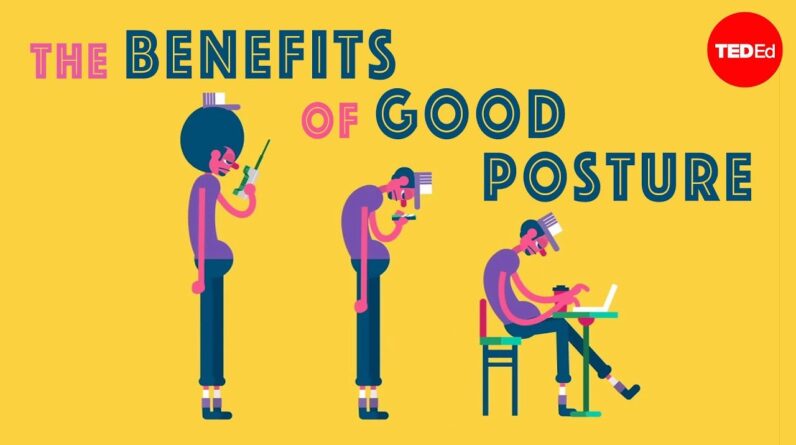
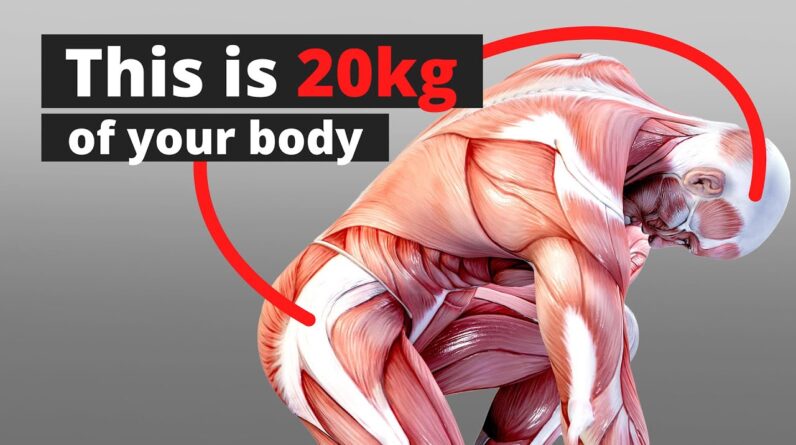
Look at someone texting on a couch, with slumped shoulders, a tilted pelvis, and a forward neck.
It’s subtle sabotage.
And after an hour? Your body’s weight ratio is totally recalibrated, not in your favour.
We’ve adapted to dysfunction.
The fascia has rewired itself to hold our weird new shapes.
And now, we’re walking around with offsets, pulling us off-centre without us even noticing.
Bartram didn’t fight resistance.
He bypassed it.
And it all started with mastering poise, the calm before the storm, a stillness that ripples outward like shockwaves.
👉 ✅ Single-Point Wisdom Body Movement Tips
Building Power Through Body Movement Tips
What if I told you that your entire body could be controlled… through your thumb?
Sounds wild, right?
But that’s exactly what Dennis Bartram figured out.
He didn’t break bones or twist joints.
Instead, he mastered a skill most people don’t even know exists: the single-point-of-contact.
This wasn’t brute strength.
It was a blend of awareness, connection, and biomechanics so subtle that most people missed it.
With just a thumb on someone’s shoulder, he could send their nervous system into a tailspin, collapse their structure, destabilise their balance, and even redirect their energy.
No yelling. No flexing. Just surgical intent.
The trick?
Pressure vectors.
Imagine pushing against someone, but instead of pushing in one direction, you’re pushing in three or four invisible directions at once, all angled toward a single node in the body.
It’s like throwing four darts at the same bullseye; the nervous system gets overloaded and the body crumbles.
That’s tensegrity in motion.
This isn’t something you fake.
It takes years of practice to even feel these vectors, let alone apply them.
But Dennis proved something powerful: mastery isn’t about doing more; it’s about doing less with greater accuracy.
For the average person, that means small shifts can create big changes.
Whether you’re trying to improve posture, reduce pain, or enhance performance, the secret lies in where and how you place your attention.
Poise, tensegrity, and fascia aren’t just abstract ideas.
They’re the nuts and bolts behind every movement you make, and every dysfunction you carry.
And the best part?
You don’t need to become a ninja to start using this.
You need to start noticing how you’re standing, sitting, texting, breathing, and moving.
It starts with stillness.
Then attention.
Then, transformation.
✅ Fascia and Retiree Body Movement Tips That Actually Work
How Science Validates Retiree Body Movement Tips
Skin, Fascia, and the Path to Retiree Body Movement Tips
For decades, people thought Dennis Bartram was doing magic.
But science finally caught up.
What he was tapping into with poise and single-point contact had a real name: fascia tensegrity.
Fascia is like your body’s Spider-Man suit.
It wraps around your muscles, bones, and organs, connecting everything like shrink-wrap with attitude.
You don’t just have one piece of fascia; you’re made of it.
It’s one continuous, stretchy web that transmits tension from head to toe.
And tensegrity?
That’s how your body stays upright, a balance of push and pull.
It’s not like a house made of bricks.
It’s more like a suspension bridge.
Take out one cable, and the whole thing starts to sag.
Bartram knew this intuitively before anyone talked about “biotensegrity” in medical journals.
When he pressed into a person’s skin, he wasn’t just touching flesh; he was accessing the entire matrix.
It’s not about deep tissue pressure, either.
Bartram taught that the skin is the gateway.
Once you cross that interface with skill and intention, you can communicate with the nervous system and the deep fascia, without force.
That’s why even light contact could create major effects.
Modern research backs this up.
They’ve found that fascia holds memory, transmits force faster than nerves, and reshapes based on posture, trauma, and habits.
So when you slump over your phone for an hour?
You’re literally teaching your fascia a new pattern.
And once it adapts, it doesn’t easily go back.
That’s why “fixing posture” isn’t about standing up straight for 10 seconds.
It’s about rewiring the tensegrity, like tuning a guitar left in a hot car.
The smallest misalignments get amplified across the system.
Bartram’s genius wasn’t in breaking the rules; it was in understanding the rules better than anyone else.
He didn’t fight the body.
He spoke to it.
✅ Avoiding Daily Habits That Destroy Retiree Body Movement Tips
Rewiring Tensegrity Through Retiree Body Movement Tips
Tech, Tension, and Smart Retiree Body Movement Tips
Want to mess up your tensegrity in a hurry?
Text for an hour on the couch.
It’s wild how quickly the body adapts to dysfunction.
We were built to move like panthers, but most of us are stuck in “keyboard goblin” mode.
Head forward. Shoulders rounded. Hips locked.
And it’s not just an eyesore, it’s a whole-body systems error.
Dennis Bartram used to say, “Posture is just the body telling its story.”
And for most of us, that story reads like a cautionary tale.
One of the biggest villains?
Repetition without awareness.
Sit the same way every day.
Slouch the same way in your car.
Carry your bag on the same shoulder.
Eventually, your fascia and neurology say, “Cool, let’s make this permanent.”
They’re just trying to help.
But that “help” comes in the form of tension patterns, misalignments, and chronic fatigue.
The body’s weight ratio shifts.
One foot bears more load.
One hip hikes.
One shoulder compensates.
And now you’re in a game of postural Jenga.
Bartram’s approach wasn’t about “fixing” things; it was about listening.
He’d ask, “Where’s the conversation not happening?”
Then he’d use the lightest touch to restore it.
That’s poise.
It’s not about standing stiff like a statue.
It’s dynamic.
It’s responsive.
It’s the sweet spot between collapse and tension.
You’re not supposed to “hold” posture.
You’re supposed to let it breathe, like a jazz musician improvising while staying in rhythm.
But daily life teaches us to freeze.
To brace.
To “suck it in” and soldier on.
That’s why so many people feel tired after doing nothing.
Their bodies are locked in quiet battles all day long.
Bartram showed there’s another way, one that’s lighter, looser, and more sustainable.
It starts with noticing.
Then adjusting.
Then reclaiming your inner architecture, one micro-shift at a time.
✅Retiree Body Movement Tips You Can Practice Anytime
Why Micro-Mastery Builds Long-Term Retiree Body Movement Tips
Training Fascia with Simple Retiree Body Movement Tips
You don’t fix tensegrity with a weekend workshop.
You reshape it with micro-mastery, tiny moments, repeated often, with attention.
Dennis Bartram’s mastery didn’t come from big, flashy moves.
It came from feeling the tiniest cues, a shift in breath, a ripple in fascia, a fractional weight transfer.
Stuff most people never notice… until it hurts.
So how do you apply this without living in a dojo or studying anatomy all day?
Start small.
Start now.
Right now, as you read this, where’s your weight?
Which foot, which sit bone, which shoulder is doing the heavy lifting?
That’s your first clue.
Now shift.
Even out.
Breathe.
That’s poise.
It’s not a position.
It’s a practice.
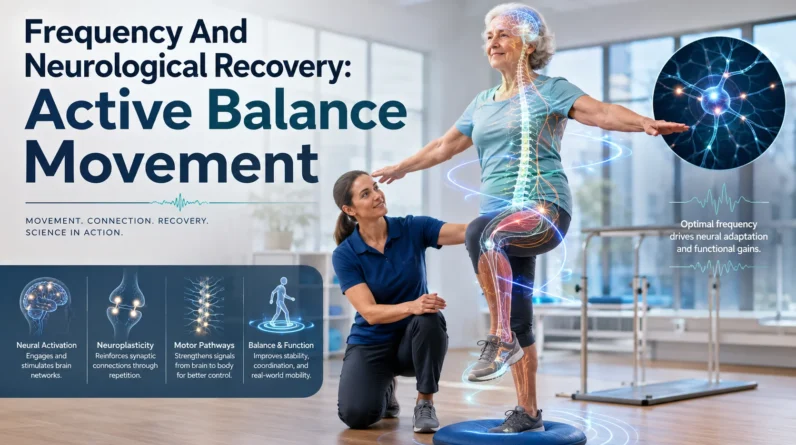
Instead of chasing “perfect posture,” tune into balance.
Dennis used to say, “Poise is how you speak to gravity.”
And gravity’s always listening.
Here’s another exercise:
Stand barefoot on a firm surface.
Gently bounce your knees.
Close your eyes.
Feel your head float upward like a balloon.
Now, slowly scan your body and notice where you grip, hold, or tense.
That’s your tensegrity whispering.
And your job?
Listen. Adjust. Repeat.
The magic isn’t in doing something complicated.
It’s in doing something consistent with intent.
Even brushing your teeth can be a poise drill.
Are you hiked up on one hip?
Is your neck craning forward?
Are your shoulders jammed?
Shift. Reset. Rebalance.
One of Bartram’s principles was that any moment can be a training ground if you’re present.
That’s the gift of this work.
You don’t need a gym.
You don’t need gadgets.
You just need attention.
And over time, these small corrections rewire the system.
The body remembers.
The fascia reshapes.
And suddenly, you’re moving through life with less strain… and more grace.
✅ Stillness is a Superpower, Poise Beyond the Physical
Dennis Bartram didn’t just teach movement; he taught perception.
Poise wasn’t about looking graceful.
It was about being ready without tension, connected without effort, present without panic.
That’s a rare kind of strength, and it changes how you live, not just how you move.
In a world that rewards hustle, noise, and constant motion, stillness feels radical.
But Bartram showed us that stillness is not the absence of action; it’s the readiness for any action.
When your structure is aligned and your tensegrity is tuned, your nervous system can finally chill.
And when that happens?
You make better decisions.
You move cleaner.
You feel safe in your own skin.
That’s the real payoff.
It’s not just about martial arts or bodywork.
It’s about how you handle life.
Because poise is the felt sense of “I’ve got this.”
So when the day throws you curveballs, a rude driver, a tight deadline, a kid melting down, your body doesn’t collapse.
It holds.
It breathes.
It adapts.
You become a tuning fork, resonating calm through chaos.
Bartram called this “soft power.”
It’s not aggressive.
It doesn’t dominate.
It influences, from the inside out.
And the entry point?
Not willpower.
Not hustle.
Not control.
Just awareness.
Consistent, compassionate awareness.
This practice of standing, sensing, shifting, and softening is available all day long.
No gear.
No gym.
Just gravity… and you.
So if you’ve ever felt off, heavy, stuck, or like your body is working against you, this is your invitation.
Don’t try to force change.
Instead, invite it through poise.
Let your tensegrity reorganise.
Let your nervous system recalibrate.
Let your body remember what ease feels like.
It’s not quick.
It’s not sexy.
But it’s real.
And it works.
#retireebodymovementtips, #dailybalancepostureroutine, #fasciatensionresetmethod, #standingstillstrengthguide, #gentlepoisemotionpractice, #dennisbartramconsultationopportunity, #healthyagingpostureroutine, #seniorscorestabilityplan, #painfreewalkingflow, #mindfulstandingenergyshift, #singlepointcontactsystem, #nervoussystemcalmreset, #betterbalancebreathingdrills,