

Why Balance Improvement for Seniors Matters
 Gentle Balance for Seniors: improvement for seniors isn’t about standing on one foot or mastering new physical skills. It’s about maintaining trust in your body over time. Every time you move, reach, or turn, your balance system works quietly to keep you safe. When it weakens, daily life starts to feel smaller; people walk less, move more slowly, and avoid steps or uneven ground.
The body doesn’t lose balance overnight. It fades from long stretches of stillness. Hours of sitting shut down the small stabilizer muscles around your ankles, hips, and spine. The good news is that these muscles respond quickly to a simple motion. Balance improvement for seniors begins with easy, regular shifts that remind the brain what steady feels like.
Balance improvement for seniors isn’t about… training like an athlete. Gentle balance routines for seniors work best when they’re woven into normal life. Standing on both feet while brushing your teeth, slowly lifting your heels while waiting for the kettle, or walking heel-to-toe along a hallway are all tiny moves that reactivate your balance system.
The more often you do them, the sharper your reflexes stay. Balance isn’t about strength alone; it’s communication. Each motion sends feedback from your feet to your inner ear to your brain, and back again. Keeping that loop alive means fewer stumbles, more confidence, and more freedom to do what you love.
Think of balance like conversation. If you stop talking, it fades. If you keep speaking gently, you stay fluent for life.
“Steady comes from small, steady things.”
Body Awareness and Gentle Balance Routine for Seniors
Balance improvement for seniors starts with noticing, not forcing.
Most people only think about balance when they lose it. Awareness flips that around.
It means feeling where your weight sits before it drifts too far in any direction.
Start small. While standing, shift your weight toward your toes, then toward your heels.
Notice how each part of your foot talks back: the toes grip, the arches lift, the heels press.
That quiet feedback is your balance system at work.
Body awareness doesn’t require mirrors or mats.
It asks for attention.
If you spend a lot of time sitting, take ten seconds each hour to plant both feet flat, press gently down, and breathe.
That single act awakens nerves and muscles that have been dormant.
Here’s an easy drill:
Stand near a counter or wall.
Lift one foot an inch from the floor.
Hold it for one slow breath, then switch sides.
Don’t worry about wobbling; wobbling is the brain rewiring stability.
Do it three times a day.
Simple Steps for Balance Improvement for Seniors
Gentle balance routines for seniors focus on re-teaching coordination rather than chasing strength.
As your awareness grows, you’ll notice how small adjustments in your hips or eyes help keep you upright.
You’ll also notice calm replacing tension, because balance and relaxation use the same pathways in the brain.
Every bit of attention you give your body builds trust.
And trust moves feel safe again.
“Awareness keeps the body ready for whatever comes next.”
Calm Energy and Emotional Steadiness Through Balance Improvement for Seniors
Balance improvement for seniors isn’t only physical. It’s emotional. When you feel unsteady, even small movements can bring a rush of tension. The mind starts guarding against every step. Over time, that fear creates more stiffness than age ever could.
Gentle balance routines for seniors help break that loop. Slow, easy motion lowers stress hormones and teaches the body that movement is safe again. As breathing deepens and muscles soften, confidence returns quietly. You don’t have to “push through.” You have to move with calm attention.
Here’s a quick reset:
Stand near a wall or chair for support.
Inhale slowly as you lift your arms halfway up.
Exhale as you lower them.
Repeat five times, matching breath and motion.
This simple rhythm stabilizes blood pressure and slows the mind. The body interprets calm movement as a sign of safety, and safety steadies everything.
When calm energy builds, balance improves faster. The nervous system stops sending “alarm” signals to tighten the muscles. Instead, it lets them respond smoothly to small shifts. That’s what balance really is: a quiet conversation between breath, posture, and awareness.
Gentle movement also brightens the mood. Older adults who practice slow motion daily often report fewer moments of worry or fog. It’s not magic; it’s physiology. Movement increases oxygen to the brain and activates the vagus nerve, which controls both calm and coordination.
Try walking slowly across the room while counting your breaths. Keep your gaze forward, steps even, and shoulders loose. Notice how the rhythm itself feels peaceful. You’re teaching your brain that steady and relaxed can exist together.
Balance improvement for seniors doesn’t require control; it invites ease.
The more gently you move, the more stable you become. Gentle movement also brightens mood; balance improvement for seniors supports calm energy.
“Stillness grows stronger when you move softly toward it.”
Posture and Stability Reset in Balance Improvement for Seniors
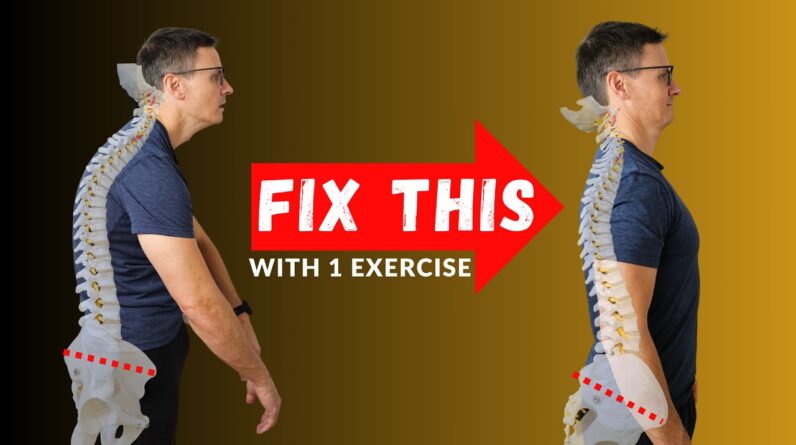
Balance improvement for seniors depends as much on posture as on movement. When your body stacks evenly, balance feels easy. When your head drops or your shoulders round, every motion takes more effort. Posture and stability are quite partners; you can’t fix one without the other.
Start by checking your stance. Stand with your feet hip-width apart, knees soft, and weight spread across both feet. Imagine a line running from your ears to your ankles. That line isn’t stiff; it’s flexible, like a string with a bit of give. Breathe into that alignment and feel how the spine settles.
Many older adults try to “stand tall” by tensing their shoulders. That only creates fatigue. The key is to lift without strain. Picture your chest opening while your shoulders fall back naturally. This open position frees the ribs to expand with each breath and keeps balance muscles ready to respond.
Here’s a gentle routine:
-
Stand near a wall or counter for safety.
-
Place one hand lightly for support.
-
Slowly rise onto your toes, then lower your heels.
-
As you do, feel your spine lengthen and your head lift.
-
Repeat five times, breathing slowly and steadily.
This single motion retrains posture and strengthens the deep stabilizers in your feet and calves. It also wakes up proprioception, the body’s internal sense of position. Each repetition sends new data to the brain, helping it fine-tune balance.
Gentle balance routines for seniors don’t aim for perfection. They build posture awareness that lasts throughout the day. After each short practice, notice how walking feels lighter, and standing feels less effortful. That’s your body finding its natural alignment again.
Posture isn’t a frozen pose; it’s a living rhythm between breath, muscle, and gravity. The more often you return to it, the longer your balance lasts.
“Posture isn’t something you hold; it’s something you return to.”
Habit Building and Daily Rhythm in Balance Improvement for Seniors
Balance improvement for seniors doesn’t happen in big leaps. It builds through small, regular moments of attention. When motion becomes rhythm, the brain remembers it even on tired days. The goal isn’t to carve out a workout time; it’s to turn ordinary tasks into quiet balance practice.
Start simple. Choose three anchor points in your day: morning, midday, and evening. When you wake up, stand tall beside the bed and take five slow breaths while feeling your feet on the floor. At midday, stand behind a chair and lift one heel at a time. Before bed, stretch your arms overhead and take deep breaths. These few seconds of steady movement keep your balance system alert without strain.
Gentle balance routines for seniors work best when they attach to habits you already have. Brush your teeth? Lift one heel. Wait for the kettle? Shift weight from foot to foot. Watching TV? Practice sitting tall with your shoulders open. Each action teaches your body that balance belongs everywhere, not just in “exercise time.”
If you forget, don’t stress. Balance grows through patience, not perfection. You can start over at any moment. Even one mindful breath while standing up counts. The body values frequency over force. Building a daily rhythm helps maintain consistent improvements in balance for seniors.
To build rhythm, write down three tiny moves you enjoy. Do them every day for a week. The trick is to keep them so easy you can’t fail. That success tells your brain to expect more steadiness, and the nervous system responds by tuning in faster next time.
Balance improvement for seniors becomes part of identity, not a chore. When daily movement feels natural, you stop “doing balance” and start living it. You’ll notice fewer wobbles, quicker recovery when you trip, and a calm confidence in your step.
“Habit is how the body remembers its best self.”
Lifestyle Integration and Call to Action for Balance Improvement for Seniors
Balance improvement for seniors isn’t a program you finish. It’s a way of moving through life. When you build awareness, posture, and rhythm into your day, steadiness becomes second nature. You start to move without hesitation, trusting your body again.
You don’t need perfect form or long sessions. You need small moments of motion spread across your hours. Stand while you chat on the phone. Shift your feet while cooking. Reach for items on a high shelf with steady breath. Every one of those acts strengthens your balance system and rewires confidence into your movement.
Gentle balance routines for seniors bring more than physical stability. They lift mood, support focus, and calm the nervous system. As the body learns to relax in motion, the mind follows. That harmony is what turns simple movement into long-term wellness.
Add a small social element if you can. Walk with a friend once a week. Join a local balance or stretching class. Even a group call where you move together adds accountability and joy. Shared movement keeps motivation alive and makes progress feel lighter.
Don’t treat slips or wobbles as failure. They’re part of training your reflexes. Every correction your body makes, no matter how small, strengthens the connection between your brain and muscles. With time, balance stops being something you work on; it becomes something you own.
Your steady walk, calm breath, and upright posture are quite proof that gentle care works better than force. Balance improvement for seniors is essentially balance recovery, the natural stability that comes from moving often, breathing deeply, and treating your body with kindness.
That’s the secret to lasting balance improvement for seniors: Begin where you are. Pick one gentle movement and repeat it today. Let your body remember how safe motion can feel.
“Balance isn’t the end goal; it’s the way back to freedom.”