

Daily Body MOT Routine Helps Seniors Move Better
How Your Daily Body MOT Routine Improves Balance
Daily Body MOT Routine For Over-50s Who Still Care To Move
Your Car Gets More Care Than Your Spine
Let’s be honest. Most people give their car a better life plan than their own body.
 Every year, the car gets an MOT. It is checked, measured, tested and signed off as roadworthy. If something is slightly out, it gets flagged. If something is dangerous, you must fix it. You would never dream of saying, “Ah, well, the brakes are stiff, that is just age.” You would fix them.
Now compare that to how most people treat their bodies. The National Health is a bit like that cranky MOT inspector; it only really cares whether you are still rolling. If you can still walk in and walk out, they stamp the form, and you are out the door. Nobody checks how gracefully you move, how balanced you feel or how much effort your spine is secretly burning to keep you upright.
▶ Watch Today’s Video
However, your body is the real vehicle that carries you through life. It is the one you wake up in, move around in and go to sleep in. When you lose ease of movement, everything becomes harder. Getting out of a chair, stepping off a curb, turning to look behind you, even standing still for a few minutes- all of it can start feeling like work.
The strange thing is this. People accept creeping stiffness as if it is normal. They say, “It is my age,” and shrug. Yet if their car started veering to one side or squeaking every time they braked, they would be straight in the garage.
The truth is simple and hopeful. Your spine and nervous system respond extremely well to maintenance. They don’t need punishment or heroic effort; they need a daily body MOT routine so small problems don’t become big ones. That is the heart of Dennis’s work, and it is why one day with him can feel like getting a brand new test certificate for the body you thought was failing.
What a “Daily Body MOT Routine” Actually Means
Daily Body MOT Routine For Over-50 Movement
So what do we mean by a daily body MOT routine? We are not talking about gym sessions, boot camps or endless stretching. In fact, most over-50s already know that forcing the body usually backfires. The next day feels worse, not better.
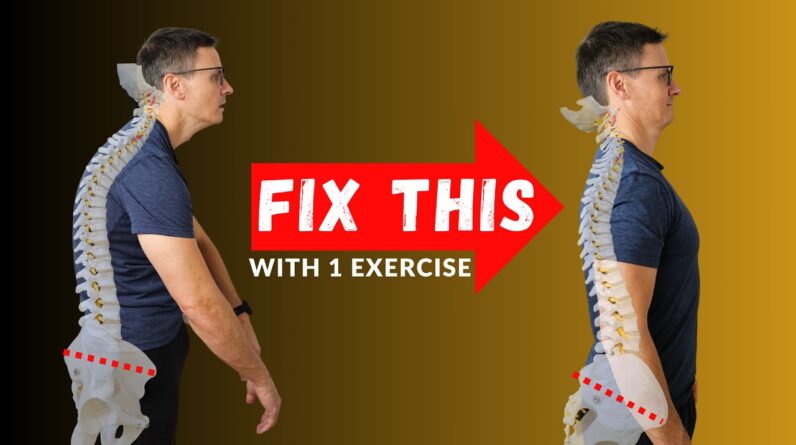
Instead, a body MOT is about intelligent self-maintenance. It is the same logic as servicing the car. You do small things regularly to avoid big breakdowns later. Rather than chasing pain, you look at how the whole system behaves. You ask better questions. How does my head sit over my spine? What is my pelvis doing when I stand? Do my ribs move when I breathe, or feel like a cage?
Dennis’s work is built on this bigger picture. He sees the body as one integrated movement system, not a collection of isolated parts. When he talks about Active Balance and Movement Ology, he is really talking about how your brain, spine and joints organise themselves against gravity. If that organisation drifts, you get unwanted results, stiffness, unsteadiness, fatigue and loss of confidence.
Because of this, a good daily body MOT routine does three important things. First, it wakes up the small stabilising muscles that have gone quietly offline. Second, it reteaches the nervous system where the centre is, especially in the head, spine, and pelvis. Third, it helps your breathing and balance work together instead of fighting each other.
You do not need an hour a day to achieve this. You need a handful of well-chosen resets that you repeat often. The aim is not to sweat. The aim is to remind. Over time, those reminders become stronger than the old habits. That is when you start noticing you feel different before you even think about it.
Later in this post, you will see some practical examples. For now, understand this: your spine is not doomed to get worse. It is simply waiting for better instructions.
How Patterns, Not Age, Hijack Your Movement
How A Daily Body MOT Routine Restores Balance
Most people over fifty have been sold one basic story: “You are stiff because you are old.” It sounds neat and final. It is also lazy. The real story is more interesting and, more importantly, more fixable.
Your nervous system learns from repetition. It doesn’t care whether a habit is good or bad. It cares whether it is repeated. Sit for hours every day, and your body will adapt to sitting. Use one side more than the other, and your body will adapt to that, too. Lean forward at screens, round your shoulders, hold your breath when you concentrate,-all of these patterns get filed under “normal.”
Because of this, your movement narrows long before you notice. The pelvis stiffens. The ribs become less mobile. The head drifts slightly forward. The feet stop telling the rest of the body the truth. Then one day you stand up and feel… old. Not because the calendar turned, but because your system has been gradually organising itself around poor information.
This is why generic stretching often fails. You can stretch the back of your legs or your shoulders for half an hour, but if your brain is still running the same old pattern in the background, the tightness returns. As a result, people think nothing works and give up. That’s where a daily body MOT routine shines. It does not attack the stiffness; it updates the pattern. It asks the nervous system to reconsider how it is organising the spine. It invites the pelvis to move again. It gives the head a better relationship with the top vertebra. It reintroduces rhythm through breathing.
When these pieces start to change, movement changes. You still have the same joints, muscles and bones, but you use them in a completely different way. For many clients, this feels like a kind of refund for the years they thought were gone.
Simple Daily MOT Resets You Can Start Using
Why Your Daily Body MOT Routine Matters Most After 50
Theory is nice, but your body cares about practice. The beauty of Dennis’s approach is that it plugs straight into your everyday life. The resets are not theatrical exercises. They are small, sensible, repeatable movements that gradually re-educate your system.
Here are a few examples of what a daily body MOT routine might include.
1. Pelvis float Daily Body MOT Routine check
Stand with your feet under your hips. Place your hands lightly on the front of your pelvis. Allow your pelvis to glide slightly forward and back, as if it is floating under the spine. Keep the movement small and relaxed. The goal is to feel that the pelvis can move, not to force a stretch.
This tells your nervous system the pelvis isn’t a locked piece of furniture. It can adjust. As it does, the lower back stops acting like a rigid support and begins acting like a spring again.
2. Daily Body MOT Routine: Rib and breath expansion
Sit or stand comfortably. Place your hands around the sides of your lower ribs. Inhale slowly and feel the ribs expand into your hands. Exhale and feel them soften. Do this a few times. Do not strain. Just invite the ribs to move.
Because so many people breathe only into the upper chest, the lower ribs often become constricted. When they open, the spines above and below them can move as well.
3. Head over the Daily Body MOT Routine atlas cue
Imagine the crown of your head being drawn gently upward, as if a piece of string is attached. Do not tip the chin up. Keep the face level and let the neck lengthen.
This simple cue changes everything beneath it. The head weighs a lot. When it sits in the right place, the muscles of the neck, shoulders and back can finally stop overworking. Many people feel lighter after ten seconds.
None of these movements will make you sweat. All of them will speak directly to your movement system.
What One Day With Dennis Adds On Top
You can make real progress with a daily body MOT routine on your own. However, you can only see and feel so much from the inside. This is where one-to-one work with Dennis becomes a game-changer.
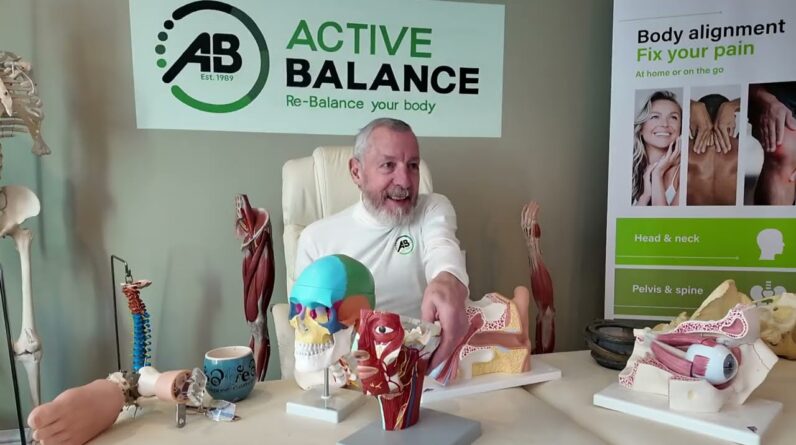
During a full-day session, Dennis becomes your movement detective. He watches how you walk, stand, sit and breathe. He sees which parts are doing too much and which parts have checked out. Because he has spent decades working with real bodies, not just diagrams, he can spot the links most people miss: the foot that always turns out, the shoulder that always drifts, the breath that stops at the collarbones, the way the pelvis avoids certain positions.
Throughout the day, he guides you through tailored resets. Some are done lying down, some sitting, some standing. Each one is chosen to unlock specific patterns in your system. You do not feel pushed. You feel invited. That matters because the nervous system doesn’t respond well to being bullied. It responds to clarity and safety.
As the day unfolds, you begin to feel your body coming back together. Movements that felt clunky become smooth. Positions that felt tiring become easier. Your balance starts to feel less like a gamble and more like a quiet promise.
By the time you leave, you have not just had a “nice treatment.” You have been given a new movement map. Your body has experienced what a better organisation feels like. And once it has felt that, it can find its way back there again, especially when you support it with your own daily body MOT routine.
Daily Body MOT Routine Engagement: Step Back Into Better Movement
Engagement is not just about clicking a button. In this world, engagement means you start a conversation with your own body again.
You might have questions: Does this routine work if I have had surgery? What if I have been stiff for twenty years? Can my balance still improve at my age? Is one day with Dennis really enough to feel a change? These are the kinds of questions worth asking, because they are the doorway into doing something different.
If you have read this far, your body is probably already telling you something. Maybe you recognise that creeping stiffness. Maybe you are fed up with always having to be careful. You may want to feel safer on your feet, or freer in your spine, or more like yourself again.
Open to See This Video, And This Is What’s Already Built,
Trained & Waiting For Your First Command.#####
Here is a simple way to engage right now.
Start your own daily body MOT routine for a week. Pick two or three of the resets above. Do them slowly, with attention, every day. Notice what changes. Notice what does not. Then write it down or tell someone. Your nervous system loves patterns, so give it a new one to follow.
If you want guided help, Dennis is there. One day in the room with him can save you years of guesswork. It can show your body what “roadworthy” feels like again, not just on paper but in every step, breath and movement.
Your car gets its MOT every year without question.
It may be time for your body to get the same respect.