


Alignment Without Forcing Posture Improves Stability
How Alignment Without Forcing Posture Reduces Tension
Why Alignment Feels Wrong When You Try Too Hard To Fix It
How alignment without forcing posture supports balance and confidence
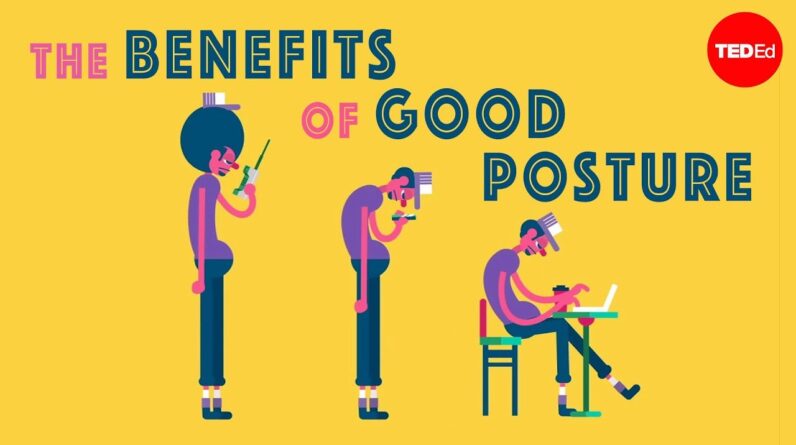
Many people believe poor alignment is something they need to correct. They are told to stand up straight, pull their shoulders back, and tighten their core. At first, this feels helpful. Over time, it usually becomes uncomfortable and unsustainable.
Alignment that depends on effort rarely lasts. The moment attention drifts, the body returns to its old patterns. This is not because people are doing it wrong. It is because alignment is not something the body holds through willpower.
As we age, this misunderstanding often creates more problems than it solves. Stiffness increases. Movement feels restricted. Balance becomes less reliable. What feels like good posture on the outside often feels tense on the inside.
Alignment Is a Result, Not a Command
Why alignment without forcing posture feels easier over time
True alignment results from good organisation within the body. It emerges when different parts communicate clearly. When that communication is disrupted, posture becomes something people try to impose on others.
Maintaining alignment often involves contracting certain muscles. The abdomen tightens. The chest lifts unnaturally. The neck stiffens. These strategies create short-term stability, but they interfere with natural movement.
Over time, the nervous system begins to associate posture with effort. Standing becomes tiring. Sitting never quite feels right. Alignment feels like work rather than support.
Why Holding Posture Increases Fatigue
When muscles are held in constant tension, blood flow reduces. Breathing becomes shallower. Small adjustments are delayed. The body works harder to do less.
This is why people often feel more tired when they try to maintain good posture all day. The effort required outweighs the benefit. Alignment that relies on effort drains energy instead of conserving it.
The Nervous System Chooses Alignment
Why alignment without forcing posture reduces daily fatigue
As we age, sensory input often becomes less reliable. Reduced foot awareness, joint stiffness, and habitual movement patterns all contribute. The nervous system responds by increasing control.
This increased control feels like tightness. It is not a fault. It is a protective strategy. Unfortunately, it reduces adaptability and makes alignment feel forced.
Why Forcing Alignment Sends Mixed Signals
When you try to hold yourself in a position, you override the nervous system’s automatic processes. The body receives conflicting information. Muscles are told to hold still while sensory feedback suggests movement is needed.
This conflict creates discomfort. The body cannot resolve it smoothly. As a result, alignment feels awkward and unstable rather than supportive.
Feeling Aligned Versus Looking Aligned
How alignment without forcing posture improves natural movement
There is an important difference between looking aligned and feeling aligned. A posture that looks correct from the outside may feel tense internally. A posture that feels balanced may look relaxed rather than upright.
Feeling aligned usually involves a sense of lightness. Weight is distributed evenly. Breathing feels easier. Movement starts without hesitation. These sensations indicate efficient organisation.
Alignment problems often persist when people prioritise appearance over sensation. The body responds better to how things feel than to how they look.
The Illusion of Standing Straight
Standing straight is often misunderstood as standing rigid. In reality, good alignment includes subtle movement. The body is never completely still.
When people try to freeze posture, they remove this adaptability. Balance becomes fragile. Small disturbances create larger reactions. Alignment held rigidly is less stable, not more.
Why Alignment Changes With Context
With alignment without forcing posture restores body awareness
Alignment is not fixed. It adapts to context. Standing on uneven ground requires a different organisation than standing on a flat surface. Walking requires constant reorganisation.
When alignment is flexible, these changes happen automatically. When alignment is forced, the body struggles to adapt. Movements feel clumsy. Balance feels uncertain.
As we age, this adaptability often reduces. Not because the body cannot adapt, but because tension limits options. Releasing unnecessary effort restores choice.
Alignment Improves When Effort Decreases
Many people are surprised to discover that alignment improves when they stop trying so hard. Letting go of unnecessary tension allows the nervous system to do its job.
This does not mean collapsing or slouching. It means allowing the body to find support through sensation rather than control. Alignment becomes something you experience, not something you manage.
The Role of Awareness in Alignment
How alignment without forcing posture supports safer transitions
Awareness is the bridge between sensation and movement. When people become aware of how they are standing or sitting, subtle adjustments occur naturally.
These adjustments are small and efficient. They do not require instruction. The body responds to clearer information.
Alignment that emerges through awareness feels sustainable. It supports movement instead of restricting it. Over time, this approach builds confidence and ease.
How Alignment Restores Itself When the Body Feels Safe
Why alignment without forcing posture feels more comfortable
Alignment improves most effectively when the body feels safe enough to let go of control. Safety, in this sense, is not emotional reassurance. It is physical certainty. The nervous system needs clear information to reduce tension.
When sensory input improves, the body no longer needs to brace. Muscles soften without collapsing. Joints move more freely without becoming unstable. Alignment reorganises itself quietly.
As we age, alignment problems often reflect a long history of compensating. The body has learned to protect itself. Releasing that protection requires better information, not more effort.
Why Safety Comes From Sensation
The nervous system relies on sensation to judge safety. Pressure through the feet, movement through the joints, and position of the spine all contribute.
When sensation is dull or inconsistent, the nervous system increases control. When sensation becomes clearer, control decreases automatically. This is why alignment often improves when people focus on feeling rather than correcting.
Small Adjustments Create Big Changes
How alignment without forcing posture allows self correction
Alignment does not change through dramatic shifts. It changes through small, almost unnoticeable adjustments. These adjustments happen continuously throughout the day.
Shifting weight slightly. Allow the knees to soften. Letting the head balance instead of being held. These changes reduce strain and improve organisation.
When people expect alignment to feel obvious, they often miss it. The most effective changes usually feel subtle and easy.
Why Trying Less Often Works Better
Trying less allows the nervous system to take over. Conscious control steps back. Automatic processes resume.
This does not mean doing nothing. It means allowing the body to respond instead of directing it. Alignment improves when attention replaces instruction.
Many people notice that when they stop correcting their posture, they feel more stable. This is not a coincidence. It reflects improved coordination.
Alignment and Movement Are Linked
Why alignment without forcing posture improves breathing quality
Alignment is not static. It exists within movement. Standing, sitting, and walking all involve constant reorganisation.
When alignment is flexible, movement feels smooth. When alignment is rigid, movement feels restricted. Balance problems often arise from this rigidity rather than from poor posture.
As alignment becomes more adaptable, movement confidence improves. People feel more comfortable changing direction or responding to unexpected challenges.
Why Movement Reveals Alignment
Movement exposes how the body organises itself. If alignment depends on holding positions, it breaks down during transitions.
Transitions matter. Standing up. Turning. Reaching. These moments reveal whether alignment is integrated or imposed.
Improving alignment through awareness improves these transitions. Movement feels more fluid and less effortful.
Letting Go of the Idea of Perfect Posture
How alignment without forcing posture builds long-term trust
There is no perfect posture that suits every situation. The body adapts continuously to its environment.
Chasing an ideal posture often creates tension. Allowing posture to change reduces strain. Alignment that adapts supports balance and comfort.
As we age, alignment flexibility becomes more important than precision. The ability to adjust matters more than holding shape.
Comfort Is a Useful Signal
Comfort is often dismissed as laziness. In reality, comfort indicates efficiency. When the body is organised well, it feels comfortable.
Discomfort can be useful too. It signals where effort or tension is interfering. Paying attention to these signals helps guide change.
Alignment improves when people listen to comfort rather than overriding it.
Alignment Supports Confidence
Confidence in movement depends on how supported the body feels. When alignment emerges naturally, movements feel safer.
People often report feeling taller, lighter, or more grounded. These sensations reflect improved organisation. Confidence grows quietly through experience.
Alignment that feels right reduces the need for caution. Movement becomes easier to trust.
Confidence Is Built Through Repetition
Each time the body moves comfortably, trust increases. Alignment becomes familiar. Fear reduces without being addressed directly.
This process is gradual. It does not rely on motivation. It relies on consistent, positive movement experiences.
Over time, alignment stops being something people think about. It becomes part of how they move.
Supporting Alignment in Daily Life
Daily habits reinforce alignment patterns in your sitting posture and how you stand while waiting, and how you walk short distances. These moments matter.
Awareness during everyday activities supports natural alignment. There is no need to correct constantly. Occasional noticing is enough.
Alignment improves when it is integrated into normal life rather than isolated into exercises.
Moving Forward With Ease
Alignment does not need to be fixed. It needs to be felt. When the body receives clear information, it organises itself efficiently.
Trying less allows more to happen. Movement becomes easier. Balance improves. Confidence returns.
Alignment that feels right supports living well at any age.
Open to See This Video, And This Is What’s Already Built,
Trained & Waiting For Your First Command.
Today’s Apprentice Task: Build One Front Door
Bonus Takeaway: What To Notice When Alignment Starts To Change
One of the easiest ways to tell if alignment is improving is not by how you look, but by how little you have to think about it. When alignment begins to restore itself, effort quietly fades into the background.
You may notice that standing feels less tiring. You stop shifting your weight as often. Sitting becomes more comfortable without needing constant adjustment. These are small signs, but they matter. They indicate that the body is organising itself more efficiently.
Alignment does not arrive as a dramatic correction. Instead, it shows up as ease.
Another sign is how you move between positions. Standing up from a chair may feel smoother. Turning feels less guarded. Reaching does not pull you off balance. These transitions reveal more about alignment than holding any single posture.
It is also common to notice changes in breathing. When alignment improves, breathing often becomes deeper without effort. The chest and ribs move more freely. This is not something to force. It happens naturally when unnecessary tension reduces.
If discomfort appears during this process, it is not a setback. It is information. Discomfort often highlights habits of holding or bracing that are being challenged. Paying attention without reacting allows the body to adjust at its own pace.
A useful habit is to check in briefly during the day. Notice how your feet contact the ground. Notice where your weight is. Notice whether you are holding tension unnecessarily. Then carry on.
These moments of awareness reinforce alignment more effectively than correction.
Alignment is not something you achieve once and keep forever. It is something you revisit lightly. The body is always changing, and alignment adapts with it.
Over time, this approach builds trust. You stop managing posture and start relying on sensation. Movement feels more natural. Balance feels more reliable. Confidence grows without being chased.
The takeaway is simple. Alignment improves when the body feels informed, not instructed. When you listen more and interfere less, the body does what it has always known how to do.