

Achieve Pain-Free Movement, Discovering Your Natural Float
Achieve Pain-Free Movement: A Gentle Guide to Reclaiming Your Flow
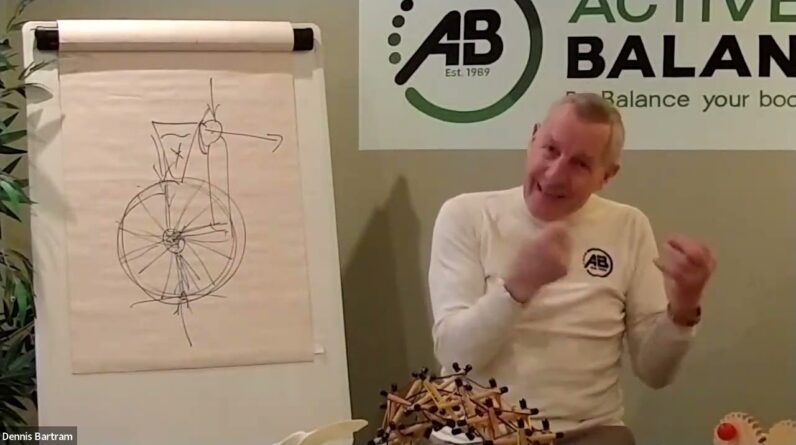
Dennis Bartram Body Movement Pain Free: Float in Your Walk
Pain-free movement isn’t a miracle; it’s a ritual. It’s built through small, consistent choices that restore your body’s natural balance and harmony. Here’s how to begin:
- Move with Meaning: Whether it’s walking, gardening, swimming, or dancing, let movement become your medicine. Each step helps block pain signals and stretch your joints into joy.
- Stretch into Ease: Daily stretching softens tightness, soothes soreness, and expands your range of motion. Think of it as a morning whisper to your muscles.
- Try Kinesitherapy: These gentle, targeted exercises help restore strength and flexibility. It’s not about pushing harder, it’s about moving smarter.
- Explore the Pain-Free Movement Course: Discover how one part of the body can help another. Simple movements, profound shifts. This course represents a quiet revolution in how we approach healing.
- Use the Pain Toolkit: Packed with practical wisdom, from breathing techniques to relaxation rituals, it’s your companion for living well with long-term pain.
 Most people walk like they’re dragging their own history behind them. Shoulders tense, hips locked, knees doing overtime. They think pain is just the tax for getting older. However, Dennis Bartram has spent decades proving that the body doesn’t need to age in that way.
When you learn to float in your walk, something strange happens: pain doesn’t shout as loudly. The movement stops being effort and starts being rhythm. Bartram calls it Active Balance, a way of working with your body’s built-in design instead of fighting it.
Your body’s meant to move like a well-tuned suspension bridge, tension and compression in harmony. Not stiff like steel, not floppy like rope. The key is understanding how each bone and joint contributes to that balance. When the ankles, sacrum, and neck, the three compass points, realign, the whole frame lightens. You don’t force alignment; you allow it to happen.
It’s not mystical, it’s mechanical, but deeply human.
He teaches that body movement, pain-free, isn’t a gimmick; it’s the by-product of awareness. When you notice how gravity passes through you, you stop resisting it. That’s when walking starts to feel like gliding, even on a rough day.
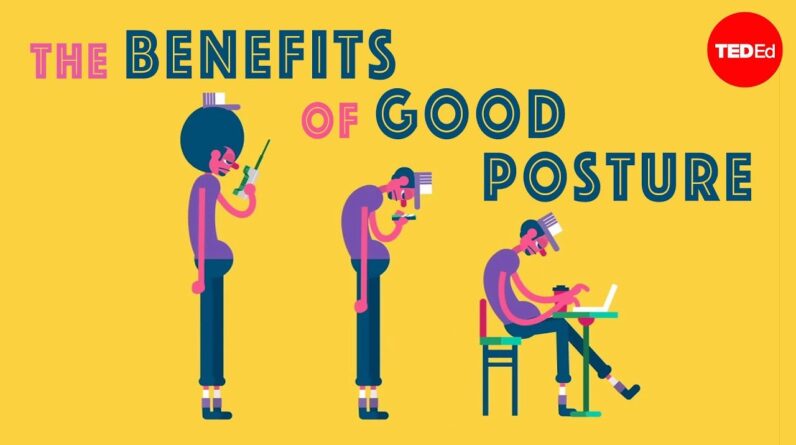
We’ve all been told to “stand tall” or “sit straight,” but those commands usually tighten us up. Bartram’s method is quieter. It’s about giving the nervous system permission to reorganise, letting your bones find their float rather than forcing posture into shape.
If you’ve ever watched a child move, loose joints, springy steps, that’s what your body still remembers. The goal isn’t to copy youth; it’s to remove what blocked that natural intelligence. Step by step, the body learns again how to balance, not brace.
Next, we’ll explore how these subtle adjustments, from the feet to the spine, transform everyday movement into self-correction, all without equipment.
✅ “The float isn’t magic; it’s what happens when gravity becomes your dance partner.”
Dennis Bartram Body Achieve Pain-Free Movement: The Three Compass Points
Bridge and Build: How the Body Finds Its Own Balance
Here’s the bridge Dennis Bartram built between pain and freedom: alignment isn’t something you do to your body, it’s something you stop getting in the way of. Most of us live with constant micro-tension, tiny, invisible fights against gravity. The jaw clenches, the neck locks, the lower back takes the brunt. No wonder movement turns into work.
Bartram mapped three key points of Achieve Pain-Free Movement: the ankle (talus), sacrum, and atlas, which act like the body’s internal compass. When one of those points tilts, the rest of the structure compensates. It’s like a tripod with one short leg; everything wobbles to stay upright. His Active Balance work helps those three anchors rediscover their natural orientation, allowing the rest of you to relax into motion.
He often says, “You don’t need to add force. You need to remove interference.” That line sums up the spirit of body movement: pain-free, subtracting tension rather than piling on corrections. It’s a different kind of discipline. You learn to listen rather than command.
Here’s how the three compass points interact in plain terms:
-
Ankles (Talus): They translate ground pressure into motion. If they stiffen, the whole kinetic chain locks. Soften them, and the spine starts to breathe.
-
Sacrum: The keystone between the upper and lower body. When balanced, it distributes the load evenly through the pelvis. When tilted, every step jars the back.
-
Atlas: The top vertebra at the base of the skull. Its orientation governs the body’s sense of “up.” A tiny correction here can ripple through every joint below.
Bartram’s sessions are less about manipulation, more about permission. You might lie down, breathe, and feel subtle waves of release as your body “remembers” how to align. It’s unsettling the first time you feel your bones shift without effort, like a table levelling itself on uneven ground.
The result isn’t just better posture; it’s a lighter, more confident presence. People report walking out of sessions feeling taller, calmer, and, oddly, quieter inside. The body knows when it’s been understood.
Next, in Part 3, we’ll explore the sensory side of this Achieve Pain-Free Movement work, how tuning into your inner motion sensors rewires pain responses and brings that float into everyday walking.
✅ “You don’t move to fix the pain; you move to remind the body it still knows how.”
Achieve Pain-Free Movement: The Art of Feeling Your Float
Build and Lift: Retraining the Body’s Inner Sensors
Most people think posture correction means forcing the body into an upright position. Bartram flips that idea on its head. He teaches that the key to achieving pain-free Movement is found in feeling, not fixing. Your nervous system has its own GPS – the proprioceptive network – constantly reading pressure, balance, and load. The problem is that, after decades of sitting, rushing, and compensating, that system becomes noisy. We stop listening to the data coming from inside our own skin.
Bartram’s work rebuilds that inner listening. The goal is to re-tune the body so that every joint and muscle knows its precise position in space. You could call it mindfulness in motion, but it’s more practical than that. When the body senses accurately, it self-corrects. The float isn’t an illusion; it’s the natural outcome of efficient information flow.
He’ll often have students stand barefoot and close their eyes. “Now,” he says, “let gravity do its job.” That simple cue—letting weight drop evenly through the feet—begins the reset. The ankles release, the knees unlock, and the spine starts to sway like a mast finding the wind. Every sway is feedback. The brain learns what balanced feels like, not just what it looks like.
This is the “build” phase of the Body Achieve Pain-Free Movement practice – restoring communication between sensation and movement. Pain usually signals miscommunication: muscles working overtime because the joints can’t agree. Once the messages get through, effort drops and grace returns.
And then comes the lift. That’s the unmistakable moment when the body shifts from carrying itself to being carried, by structure, by rhythm, by breath. You feel taller without trying. The head balances lightly on the spine, the ribs expand evenly, and the feet seem to meet the ground halfway. It’s not mystical, it’s mechanical harmony.
The beauty of Bartram’s approach is that you don’t need fancy equipment or long routines. The lab is your own body, and the experiments are subtle. A minute of mindful standing can teach more than an hour of forced stretching.
In Part 4, we’ll explore how to integrate this awareness into everyday life, from walking and lifting to even sitting, so your movement remains light, aligned, and pain-free throughout the day.
✅ “True alignment isn’t posture held tight – it’s structure allowed to breathe.”
Dennis Bartram Body Movement Pain Free: Everyday Poise in Motion
Bridge and Lift: Making Balance a Daily Habit
The real test of any method is what happens between sessions, when you’re climbing stairs, reaching for a mug, or bending to tie a shoe. Dennis Bartram built Achieve Pain-Free Movement habits around those ordinary moments. He calls it “practical awareness.” No mysticism, no rituals, just physics made personal.
Every day, poise starts with noticing how you arrive in motion. Most people move reactively — rushing, bracing, anticipating pain before it even comes. Bartram teaches that the instant you prepare for discomfort, you reinforce it. The nervous system tightens its grip. The antidote is curiosity: what if this next step could feel lighter than the last?
He tells students to start small. When you stand up from a chair, let your weight fall through your feet before you lift. When you reach for something high, exhale first; it clears tension before it builds. When you walk, let your arms swing freely instead of marching them. These micro-habits reset the body’s equilibrium. They’re deceptively simple yet profoundly corrective.
The science backs this up. Studies in somatic education and motor learning demonstrate that awareness-based retraining rewires movement patterns more effectively than mechanical repetition. It’s not the number of reps that matters; it’s the quality of feedback the body receives. Bartram’s method taps that same loop, teaching your system to self-monitor and adjust mid-motion.
People who practice this often describe their posture improving without trying. The head feels buoyant, the ribs move like bellows, and the hips roll easily under the spine. You catch yourself gliding across a room and realise that’s the “float” he talks about. It’s not something added; it’s what remains when resistance drops.
Consistency is key. A few mindful movements spread throughout the day keep the fascia elastic and the joints lubricated. That’s what “body movement pain free” really means: freedom in motion, not escape from sensation. Pain loses its grip because the body no longer fights itself.
In the final part, we’ll pull it all together, how to preserve this floating balance long-term, and how Active Balance training becomes a gateway to calm confidence in every move you make.
✅ “Pain is a message, not a sentence. Listen, and the body will rewrite the story.”
Dennis Bartram Body Movement Pain Free: The Freedom to Float
Close and CTA: Living with Balance and Ease
When Dennis Bartram talks about freedom, he doesn’t mean retirement on a beach or escaping daily life. He means the freedom to move without fear. The power to trust your own body again. After years of tension, pain, or imbalance, that kind of ease feels revolutionary. Yet it’s built from the simplest materials: awareness, patience, and practice.
That’s the quiet genius behind Body Achieve Pain-Free Movement work. It doesn’t demand youth or strength. It just asks for attention. A few minutes a day spent listening to your posture, breath, and weight in motion can unlock more change than months of pushing through pain.
People who train with Bartram often notice something deeper than posture improvement; their minds slow down. They stand differently because they think differently. You stop bracing for life and start meeting it. That’s what balance really means. It’s not static; it’s responsive.
And once you find that float, it sneaks into everything. You walk into a room with quiet confidence. You pick up something heavy without strain. You breathe without effort. The body becomes a conversation rather than a complaint. The structure supports you, rather than fighting against you.
Bartram’s Active Balance system isn’t a fix; it’s a reminder. Your body already knows how to move well; it’s been doing it since you were crawling on the carpet. The work is simply learning how to stop interrupting that intelligence.
So, the next time pain whispers, don’t attack it, listen. Adjust your stance, soften your breath, and let your weight settle. Feel gravity as your ally, not your enemy. The float begins there.
Want to Explore More About Dennis Bartram Coaching, Achieve Pain-Free Movement, and Natural Balance?
🟢 Learn how real structural awareness and calm movement can reshape the way you walk, stand, and live, one step at a time.
“Every joint is a conversation. When one stops talking, the whole body argues.”
#bodymovementpainfree, #activebalancemethod, #naturalposturerealignment, #spinalcompassbalance, #painfreewalkingmethod, #floatinyourwalk, #bodyawarenessbalance, #naturalbodyalignment, #selfhealingmovement,
#posturecorrectiontraining, #spinebodybalance, #movementforseniors,