


Easy Movement for Seniors: Feel Younger Every Day
Why Easy Movement for Seniors Matters
Body Awareness and Easy Movement for Seniors
 Easy movement for seniors is the quiet fix most people overlook. Sitting still may seem harmless, but over time it can shorten muscles, dull balance, and lower mood. Every minute of gentle motion repairs what stillness steals.
When you move a little, blood carries oxygen through joints that haven’t seen it all day. Nerves calm, breath deepens, and pain softens. Easy movement for seniors isn’t exercise in the old sense; it’s communication. You’re reminding your body that it can still trust itself.
Think of the way your shoulders lift after a slow stretch or how your hips feel looser after a walk around the kitchen. Those tiny shifts tell the brain, “we’re still connected.” The more often you send that signal, the more your body believes it.
The Problem with Sitting Still
Older adults sometimes think movement must be hard to count… That idea keeps people stiff. In truth, gentle motion builds strength that lasts longer because it doesn’t exhaust the system. It also protects joints, improves balance, and steadies mood.
Here’s a simple starting point: each hour, stand and roll your shoulders backwards five times, then inhale through the nose and exhale slowly through the mouth. That one-minute ritual can keep tension from turning into pain.
As the body loosens, confidence grows. Easy movement for seniors turns “I can’t” into “I still can.” The reward isn’t only mobility, it’s freedom. When motion feels safe again, life opens up.
“Movement is youth you can practice every day.”
Body Awareness and Easy Movement for Seniors
Easy movement for seniors begins with noticing. Most people think they need a full routine, but the real work starts with paying attention to how the body feels before it complains. The moment you notice tightness in your neck, heaviness in your legs, or shallow breathing, you’re halfway to fixing it.
Awareness changes everything. When you tune in, your brain updates its internal map, the one that tells every muscle where it belongs. Long hours of sitting blur that map until you forget what “aligned” feels like. Gentle stretching, shoulder rolls, or ankle circles redraw it. Each move teaches the brain that movement is safe and familiar again.
Try this small sequence: while sitting, place your feet flat, lift your spine tall, and breathe slowly. Let your breath expand your ribs, then soften your shoulders. Do it three times. You’ll feel circulation wake up through your back and legs. That’s awareness in motion.
Notice Before You Correct
Body awareness doesn’t mean judging yourself for how you move. It means listening without tension. Seniors often carry old injuries or stiffness from years of work. Forcing motion only adds strain. Instead, stay curious. When something feels stuck, move smaller, not harder. Small signals often do more than big efforts.
Easy movement for seniors is a conversation that goes both ways. The body speaks in sensation; the mind replies with gentle action. Each time you pause to stretch, shift, or breathe, you remind the system that you’re on the same side.
Here’s a cue to keep awareness alive: each time you look at your phone or tablet, take one extra second to lift your eyes to the horizon and roll your shoulders back. This simple pattern interrupts the slouch and refreshes focus. Over days, it becomes instinct.
When awareness grows, stiffness loses ground. Muscles remember how to cooperate instead of tightening. Balance improves because your brain learns to trust the signals it receives. You’ll notice that “good posture” isn’t something you hold; it’s something that happens when attention and movement meet.
“Notice your body before it starts whispering for help.”
How Gentle Motion Builds Calm Energy
Easy movement for seniors is not just about stretching the body; it steadies the mind. Many older adults carry tension in silence. They push through aches, stiff backs, and busy thoughts, thinking rest alone will fix it. But real calm comes from gentle, regular motion.
When you move softly, your breathing deepens and your heart rate evens out. The nervous system shifts from alert to relaxed. It’s like switching the body from “guard mode” to “trust mode.” This is why slow walking, gentle arm swings, or mindful breathing bring more peace than sitting still.
Screen time, prolonged reading hours, or spending quiet afternoons in one chair can cause the body to shut down. You might feel tired but restless at the same time. That’s a sign the body wants movement, not strain, just rhythm. Easy movement for seniors gives the brain new signals of safety and comfort. Those signals lower stress hormones and lift mood naturally.
The Link Between Breath and Calm
Try this: stand up slowly, stretch your arms overhead, then let them fall by your sides. Take three deep breaths, letting your shoulders drop lower each time. Feel how your chest opens and your heartbeat steadies. That calm is physical, not imagined. The more often you do it, the faster your body learns the pattern.
Gentle activity also clears emotional fog. When circulation improves, so does attention. Seniors who move a little each hour often notice sharper focus, steadier moods, and fewer bouts of fatigue. The body and mind move as one; if one slows down, the other follows.
You don’t need a class or equipment. Put on soft music and sway side to side, or walk a few steps around the room while breathing deeply. That’s enough to reset your mood and give your energy a lift.
Easy movement for seniors isn’t about doing more. It’s about doing lighter, slower, and often. Calm grows from repetition, not intensity. Every gentle motion teaches the body that peace is possible even after stress.
When you finish a movement session, pause for ten seconds before sitting back down. Let yourself feel the warmth and flow through your body. That feeling is calm energy, alive but not rushed, steady but not still.
“Calm is built one gentle motion at a time.”
Reset Balance and Posture the Easy Way
Easy movement for seniors is one of the most reliable ways to rebuild balance and posture. As we age, muscles tighten, joints lose fluid, and reaction time slows. None of that means you’re fragile; it just means your body needs steady reminders to stay upright and open.
Standing Tall Without Strain
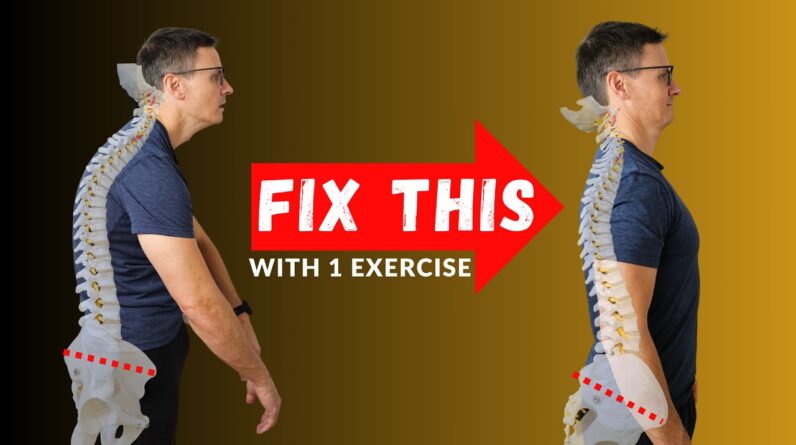
Posture isn’t a fixed pose; it’s a living pattern. The spine adjusts each time you move your head, shift your weight, or change your gaze. When you stop moving, the pattern fades, and stiffness takes over. The good news is that gentle motion restarts that pattern faster than force ever could.
Here’s a simple daily routine: stand near a wall or sturdy chair. Keep your feet hip-width apart. Lift your heels slowly, hold for two seconds, and lower them again. Repeat five times. Then roll your shoulders back and lift your gaze to eye level. That’s enough to activate your balance system from toes to neck.
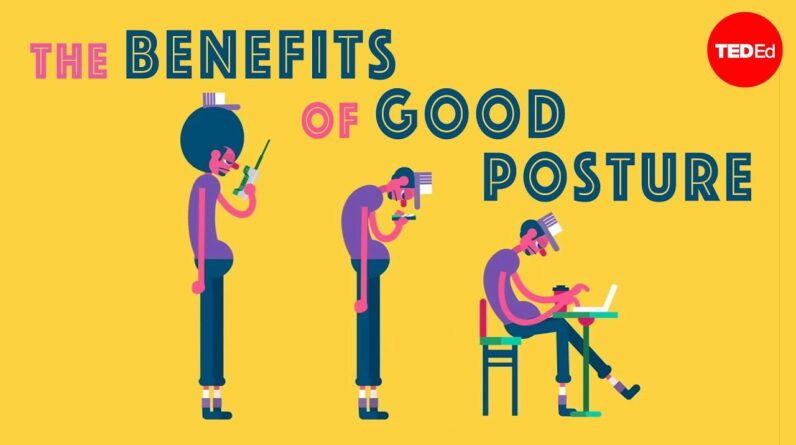
Easy movement for seniors also trains posture through the eyes. Looking down too long pulls your head forward and tightens your upper back. So once an hour, lift your gaze to the horizon and let your shoulders drop. That one change can release tension through the whole spine.
Balance improves when you build awareness of your base. Feel your feet grounded before you move. Shift your weight from one foot to the other as if testing the floor. That simple motion keeps the brain’s balance centres active and reduces the risk of falls.
If you use screens or sit often, try setting a reminder to stand for one minute every half hour. During that minute, straighten your back, open your chest, and breathe fully. These tiny resets add up. Over time, you’ll feel taller, lighter, and steadier without trying.
Easy movement for seniors supports confidence as much as coordination. When you stand upright, your mood lifts. Breathing deep through a balanced posture tells your body you’re safe, alert, and capable. That’s the hidden strength behind good balance; it starts with feeling stable inside.
“You don’t hold posture; you live it.”
Build Habits That Keep You Moving
Easy movement for seniors is most effective when it becomes an integral part of their daily routine, rather than an additional task. The goal is rhythm, not routine. When small motions happen often enough, they turn into habits that hold the body steady and the mind calm.
Start simple. Choose three anchor moments: morning, midday, and evening. When you wake up, stretch your arms high and roll your shoulders back. At midday, stand and walk across the room for one full minute. Before bed, sit tall and take five deep breaths with your feet flat. These little motions reset your circulation and relax your nerves before stiffness can build.
Easy movement for seniors fits anywhere, while waiting for the kettle, during phone calls, or between TV shows. Pair it with something you already do. This is called habit stacking, and it’s how lasting change happens. The brain links the new action to an existing one, so you don’t have to think about it.
Tiny Habits, Big Shifts
If you forget, don’t worry. Set a reminder or place a sticky note on your remote or phone that says “move.” The goal isn’t perfection; it’s consistency. Over time, motion becomes as automatic as breathing.
Here’s a quick rhythm to try:
Morning: two minutes of slow stretching before breakfast.
Afternoon: one minute of balance practice, lift one heel, then the other.
Evening: deep breathing while sitting tall.
That adds up to less than five minutes a day. Yet, over weeks, it keeps your joints open, your spine aligned, and your mood steady.
Easy movement for seniors also teaches patience. Change happens quietly. Each small effort strengthens neural pathways for better coordination and awareness. When you move every few hours, your brain learns to expect comfort, not tension.
The biggest trap is believing you have to “exercise.” You don’t. You only need to move with awareness. A slow twist, a careful reach, or a short walk is enough. The point is rhythm, repetition that reminds your system it can stay alive in motion.
Write down three moments in your day that feel stiff or low in energy. Those are your cues. Add a small motion there. You’ll notice that aches fade faster, and the calming effect stays longer.
“Habit isn’t discipline; it’s remembering what feels good.”
Live the Ease You’ve Practised
Easy movement for seniors becomes powerful when it blends into everyday life. The best habits don’t feel like work; they feel like comfort. You don’t need to chase fitness goals or track every step. The goal is freedom: to move through your day without stiffness or strain.
Start with what’s already around you. Turn chores into a gentle activity. When folding laundry, roll your shoulders. When cooking, shift your weight between feet. These simple motions keep circulation flowing and joints warm. Movement doesn’t have to happen in a class; it can happen in your kitchen.
Easy movement for seniors also means giving the body rest between gentle activities. Sit with both feet flat, take slow breaths, and feel your spine relax into balance. This rhythm, characterised by motion followed by mindful rest, helps keep the nervous system stable. It’s how your body resets energy without exhaustion.
You can also bring friends into it. A short morning walk, a light stretch before tea, or shared breathing exercises all strengthen connection and consistency. Moving with others brings joy, which in turn motivates you to keep showing up.
Movement in Everyday Moments
When stiffness returns, please don’t see it as failure. See it as feedback. The body speaks through sensation. A little tightness means it’s time to move again. This mindset keeps progress gentle and sustainable.
Easy movement for seniors doesn’t end with the body; it shapes your whole sense of well-being. As joints loosen, energy rises. As posture improves, confidence grows. That quiet transformation is what turns movement from a chore into a daily pleasure.
Here’s your closing rhythm:
Look up. Breathe deep. Move a little.
That’s all it takes to feel alive again.
The path to a pain-free, steady, and calm body isn’t hidden; it’s in your next small motion.
Start now, keep it light, and let each day’s movement build the next one.
“Ease is not the end goal; it’s the way there.”